Ninth Circle Records · Ensley, BirminghamSecond shift · 1993–2001
Sloth and Sin
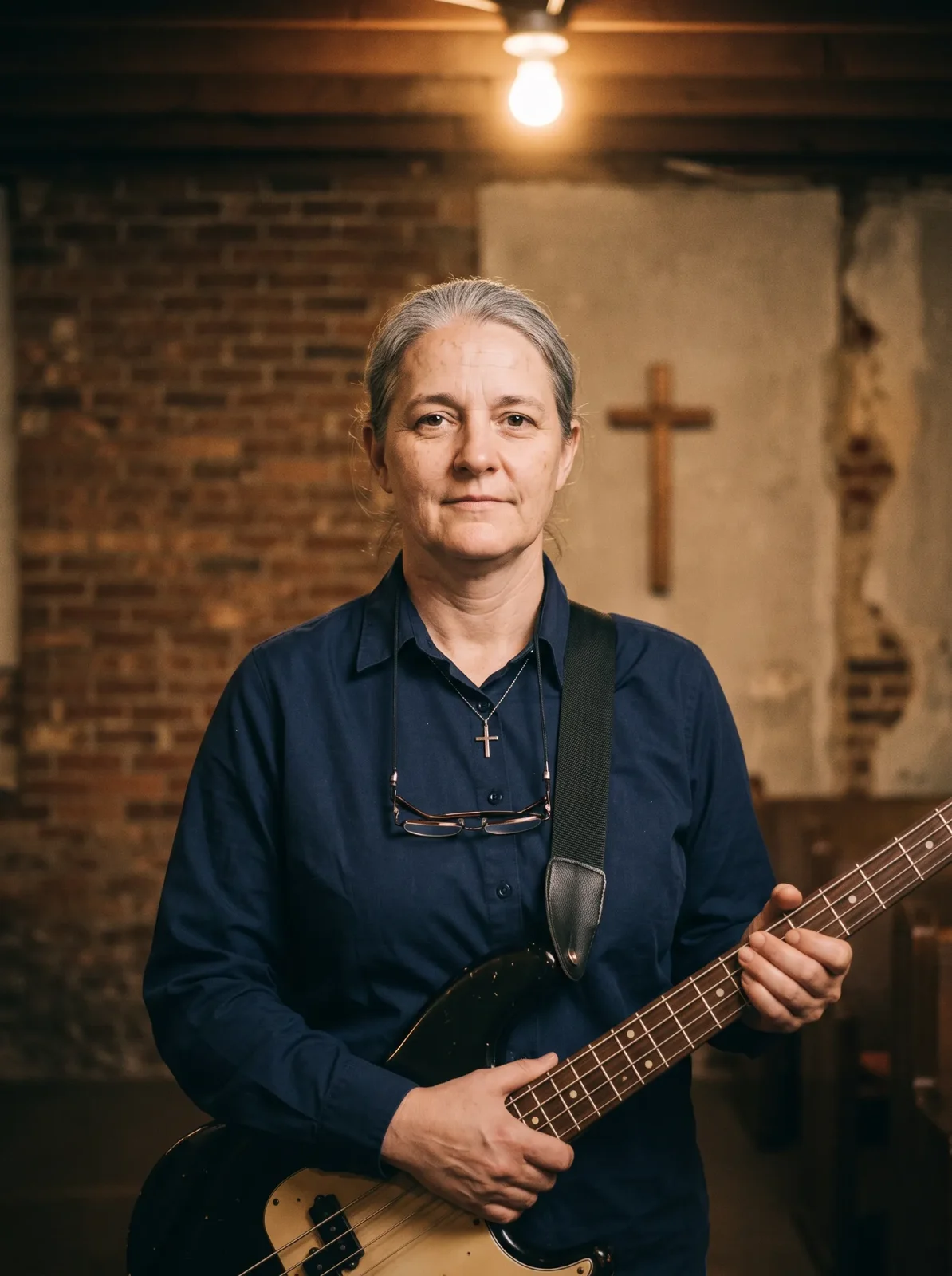
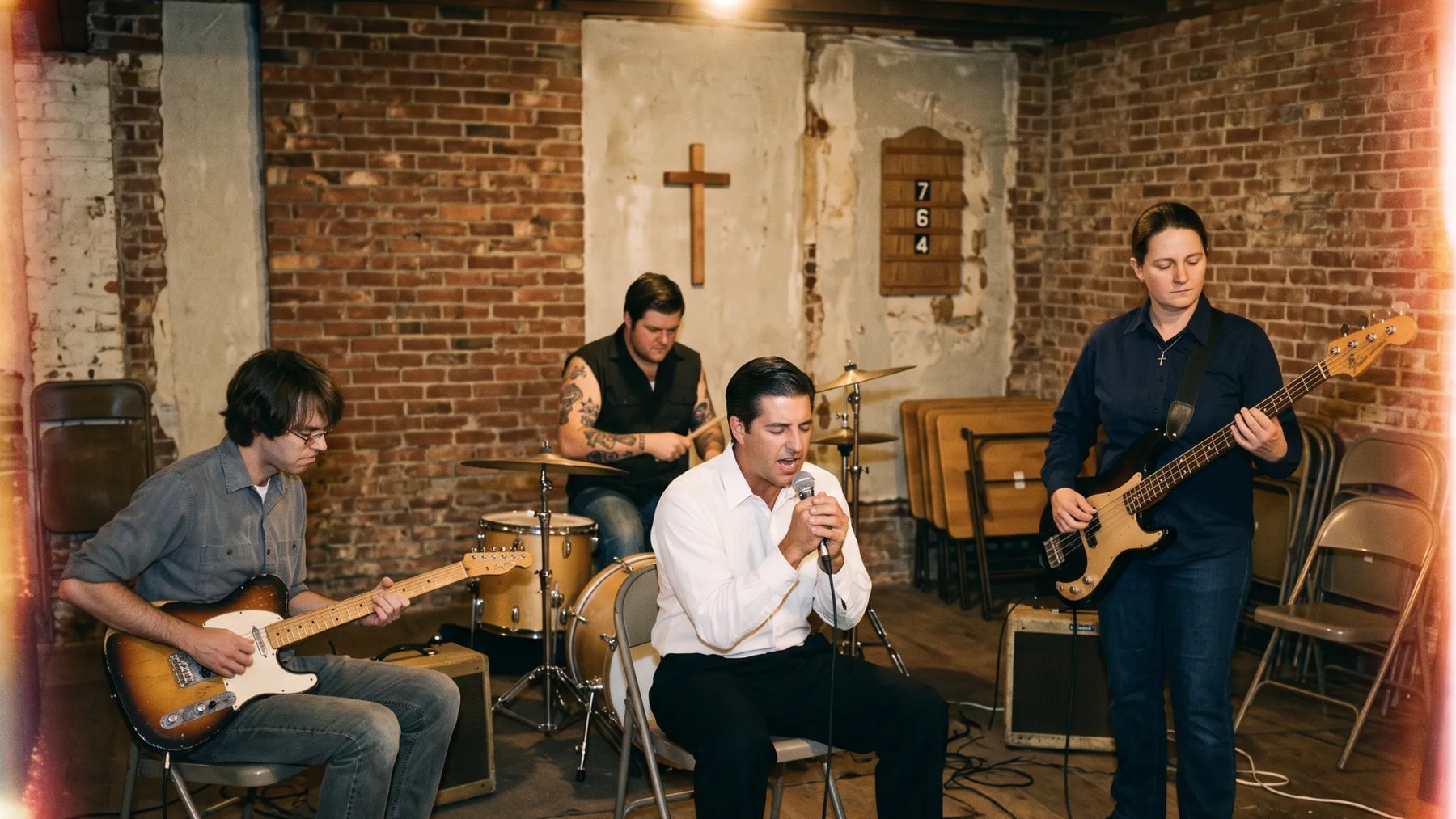
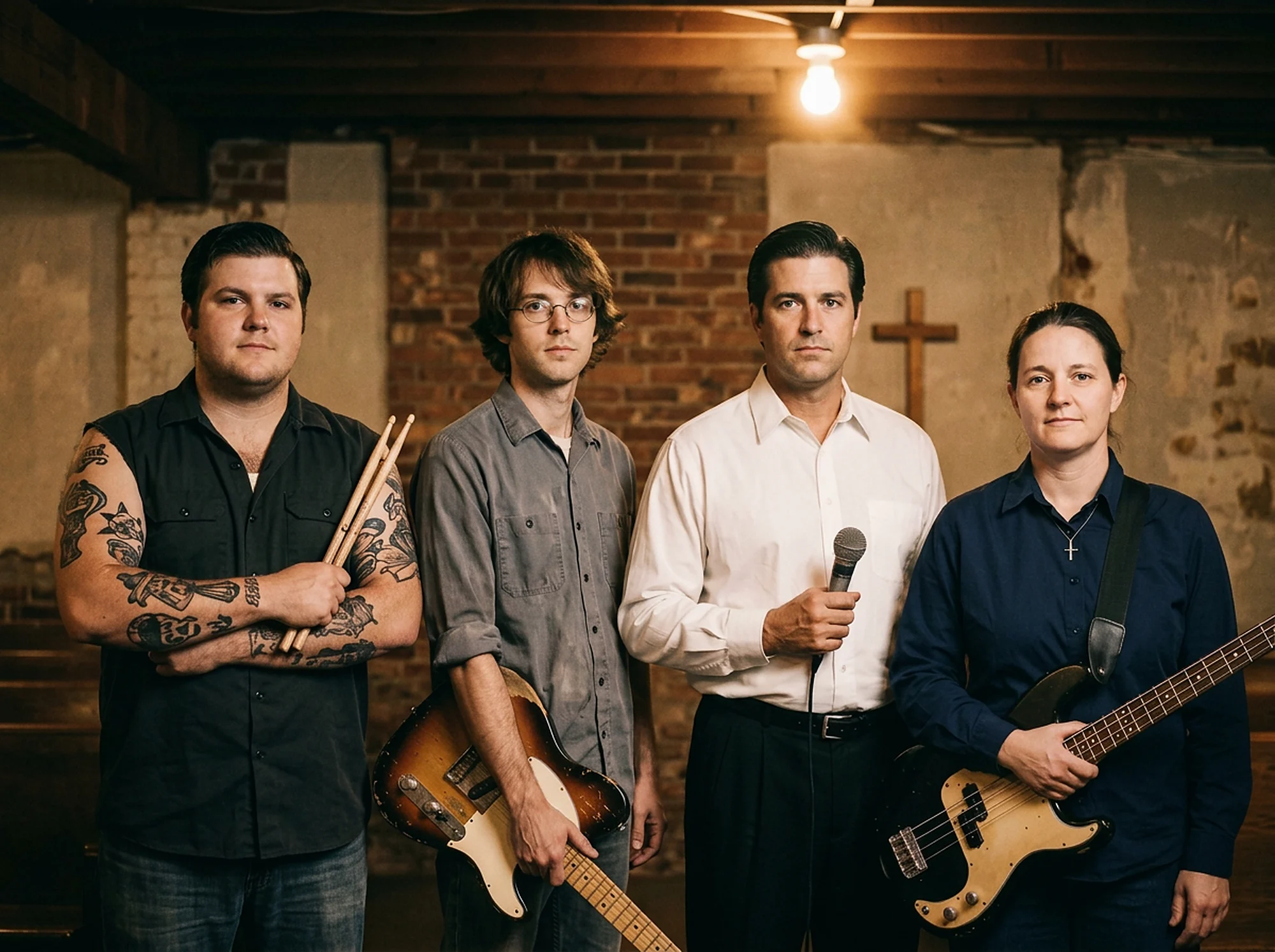
The four members of Sloth and Sin in a brick church basement under a bare bulb: drummer with sticks, guitarist, singer with a microphone, and Mercy Halvern with her bass

Southern Doom · Ensley, Birmingham, Alabama

Sloth and Sin

Every vice becomes a system.

1993–2001 · Ninth Circle Records

Clock in

I · The Sermon

The sermon was not reaching anyone under forty. So he took it to an amp.

Boyd Halvern grew up in his father's Pentecostal church in Ensley, a neighborhood on the west side of Birmingham, Alabama. He watched Ensley decline through the 1980s — Village Creek Works, the mill at the edge of the neighborhood, cut two-thirds of its steelworkers, whole blocks emptied out, and Boyd's father's Sunday congregation aged out faster than it replaced itself. Boyd left the church at twenty-two but not the Bible. He noticed, in those years, that the vices his father preached against — the personal ones, the seven — had grown up. They had gotten organized. They were now shapes of policy, of habit, of the institutions people relied on. He said, more than once, that a vice becomes a system when enough people agree to trade the harder thing they could do for the softer thing they get. In 1993 he decided the sermon was not reaching anyone under forty, so he took it to an amp. His older sister Mercy played bass. A hand-lettered flyer nailed to the doorframe of an abandoned auto shop off Bessemer Road brought Otis Whitworth on guitar; Otis brought his neighbor Kellum Riordan on drums. They wrote seven songs, one per sin, and intended to stop. They did not. They wrote three records over eight years and stopped in the fall of 2001, saying the message did not need any more amps behind it than it had already gotten.

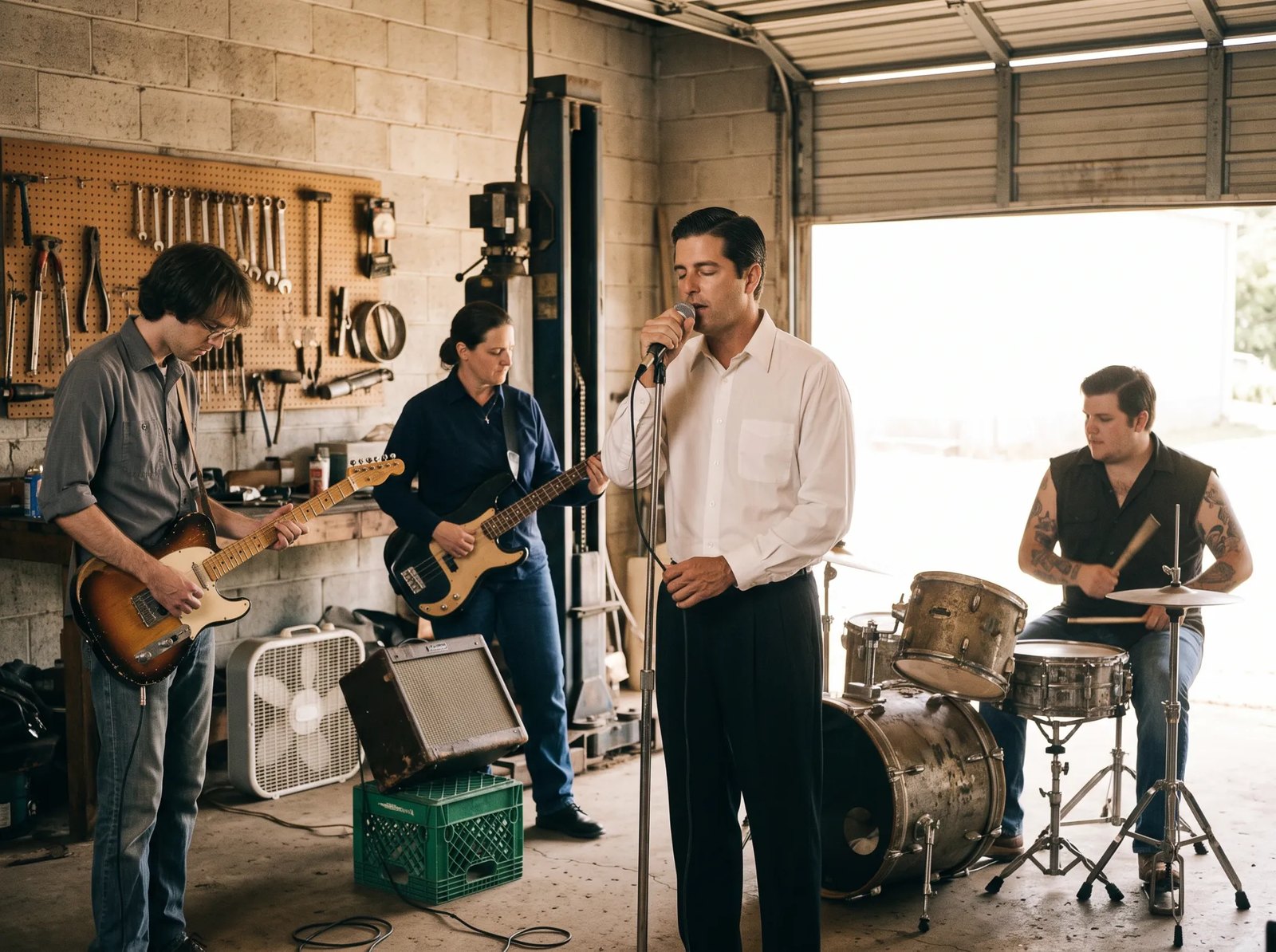
The back room of an abandoned auto repair shop with a small amp, a drum kit and four musicians, one of them a woman on bass

The back of the auto shop off Bessemer Road. A Wednesday, 1993. One riff. Forty minutes.

Nailed to a doorframe off Bessemer Road, 1993

Guitarist wantedfor slow band.No fast people.

Hand-lettered. One index card. One answer.

Entered into the record

A vice becomes a system when enough of us agree to trade the harder thing we could do for the softer thing we get.
— Boyd Halvern, from a 1998 interview he otherwise refused
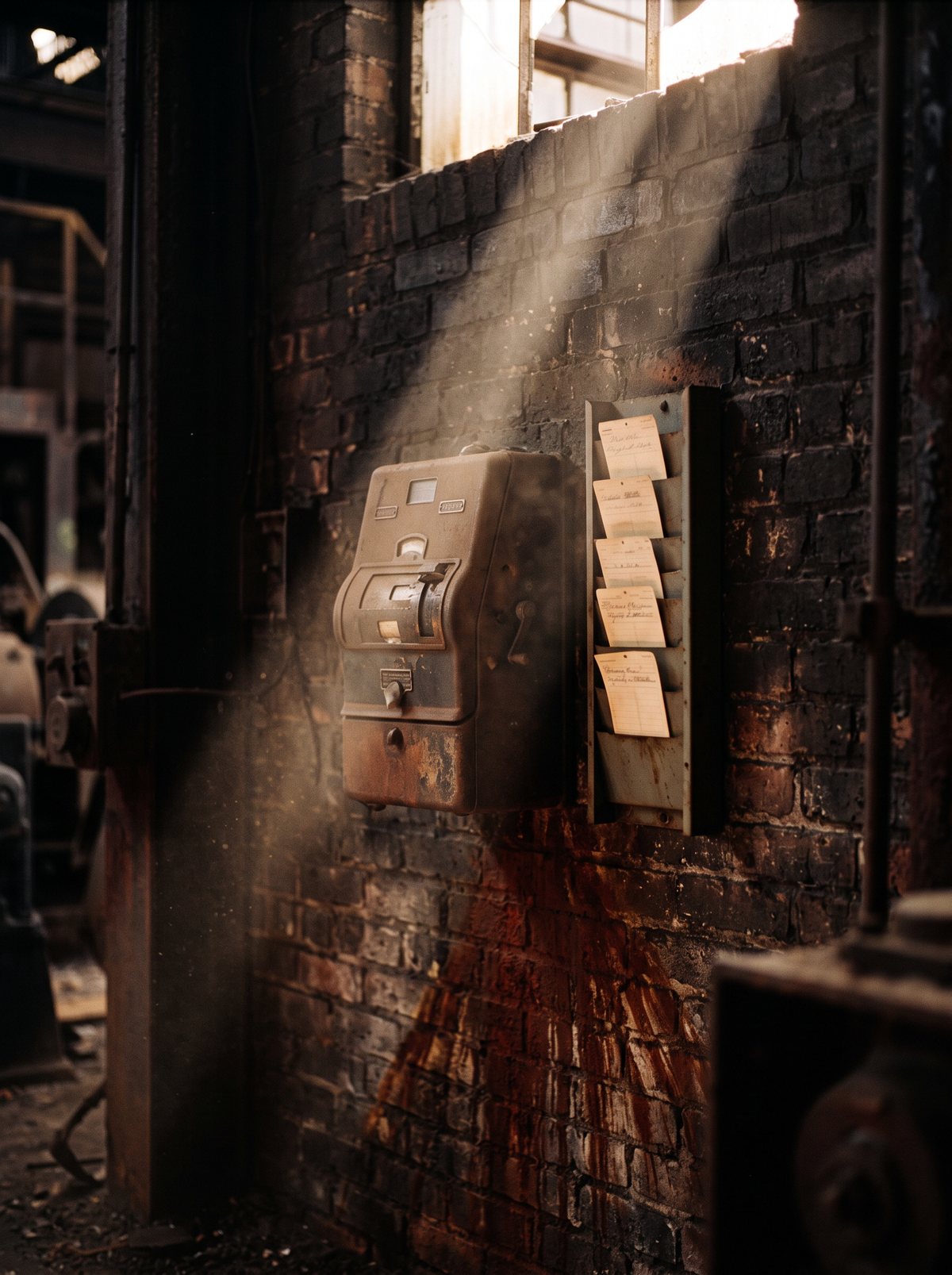
An old punch time clock on a soot-stained brick wall inside a closed steel mill, a rack of faded time cards beside it

The clock at the mill, 1994. Still on the wall. No one punching in.

Time Card

Sloth and Sin

Dept.
Doom Metal
Class
Southern Doom · Sludge Metal · Seven-Sins Doom
Designation
Wages Doom
Employer of record
Ninth Circle Records
1993InBack of the auto shop. Four players. One riff, forty minutes. Nobody suggested changing it.
1994IThe Seven Wages · 7 songs · 43:55
1997IIThe Ninth Circle · 6 songs · 55:45
2001IIISabbath Ended · 4 songs · 27:20
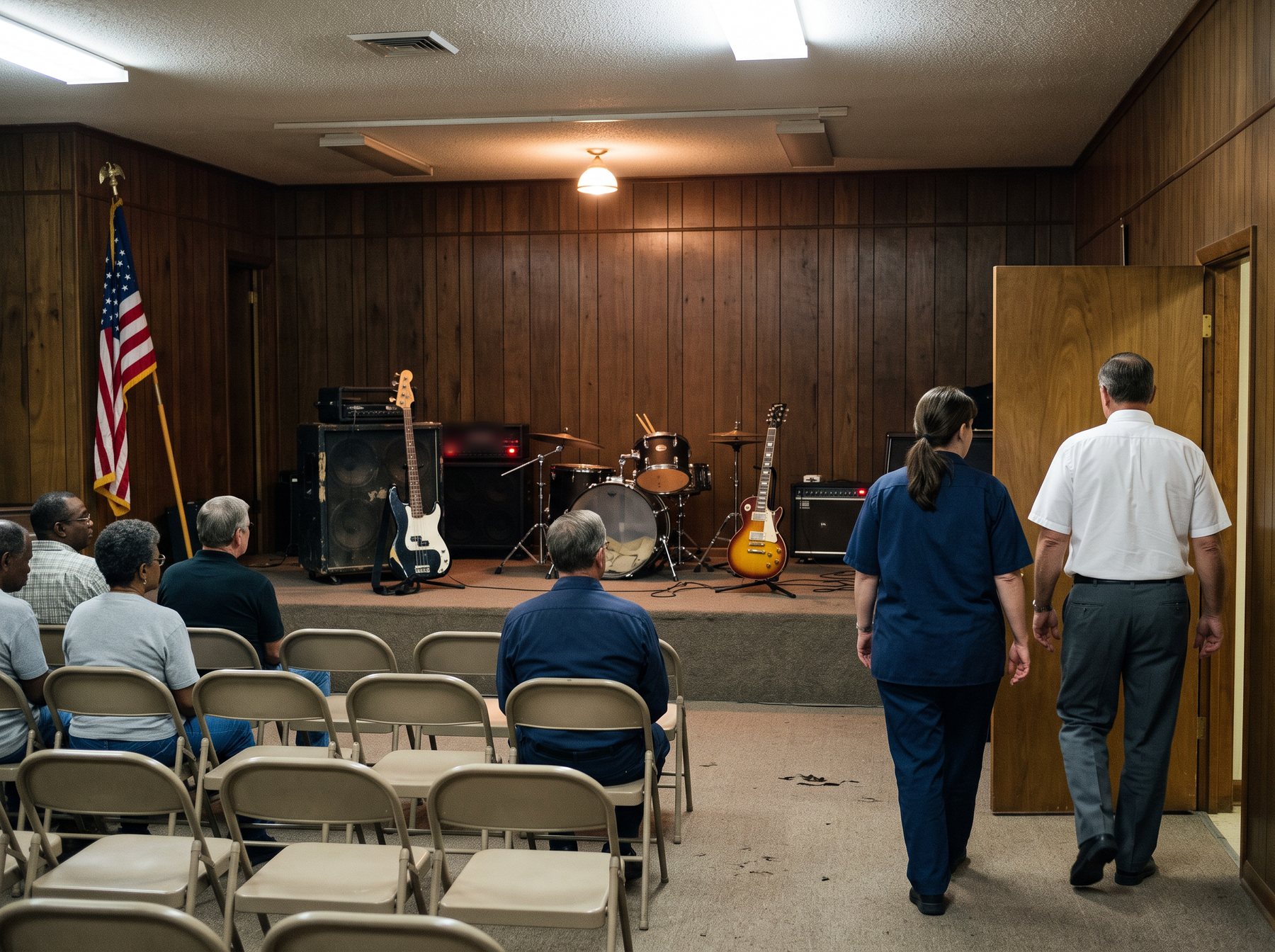
Oct 13, 2001OutVFW hall, Anniston. Walked off during “Sabbath Ended.” Did not finish it.
Total time recorded2:07:00

II · The Seven

Seven vices. Seven ledgers. Each one grew up.

The notebook held seven single-word titles. The debut followed it exactly. Each sin is entered twice: once as the man carries it, once as the system that carries the man.

  1. I

    Sloth

    As carried

    The vice that dresses like rest.

    As grown

    A policy the town voted for.

    Wage 1 · 4:40✝ Words on file

  2. II

    Wrath

    As carried

    The heat a man carries home.

    As grown

    An industry.

    Wage 2 · 4:50

  3. III

    Pride

    As carried

    The name a man will not take down.

    As grown

    A city planning department.

    Wage 3 · 6:10

  4. IV

    Envy

    As carried

    The eye on the next porch.

    As grown

    A permanent political tactic.

    Wage 4 · 5:40

  5. V

    Greed

    As carried

    Wanting what you didn't earn.

    As grown

    The reason a mill closed.

    Wage 5 · 6:45

  6. VI

    Gluttony

    As carried

    The table that never clears.

    As grown

    A public budget.

    Wage 6 · 7:20

  7. VII

    Lust

    As carried

    The wanting.

    As grown

    The one vice no one is allowed to be plainly against.

    Wage 7 · 8:30✝ Words on file

One tuning throughout. Low C-sharp. The guitarist called it the coal seam.

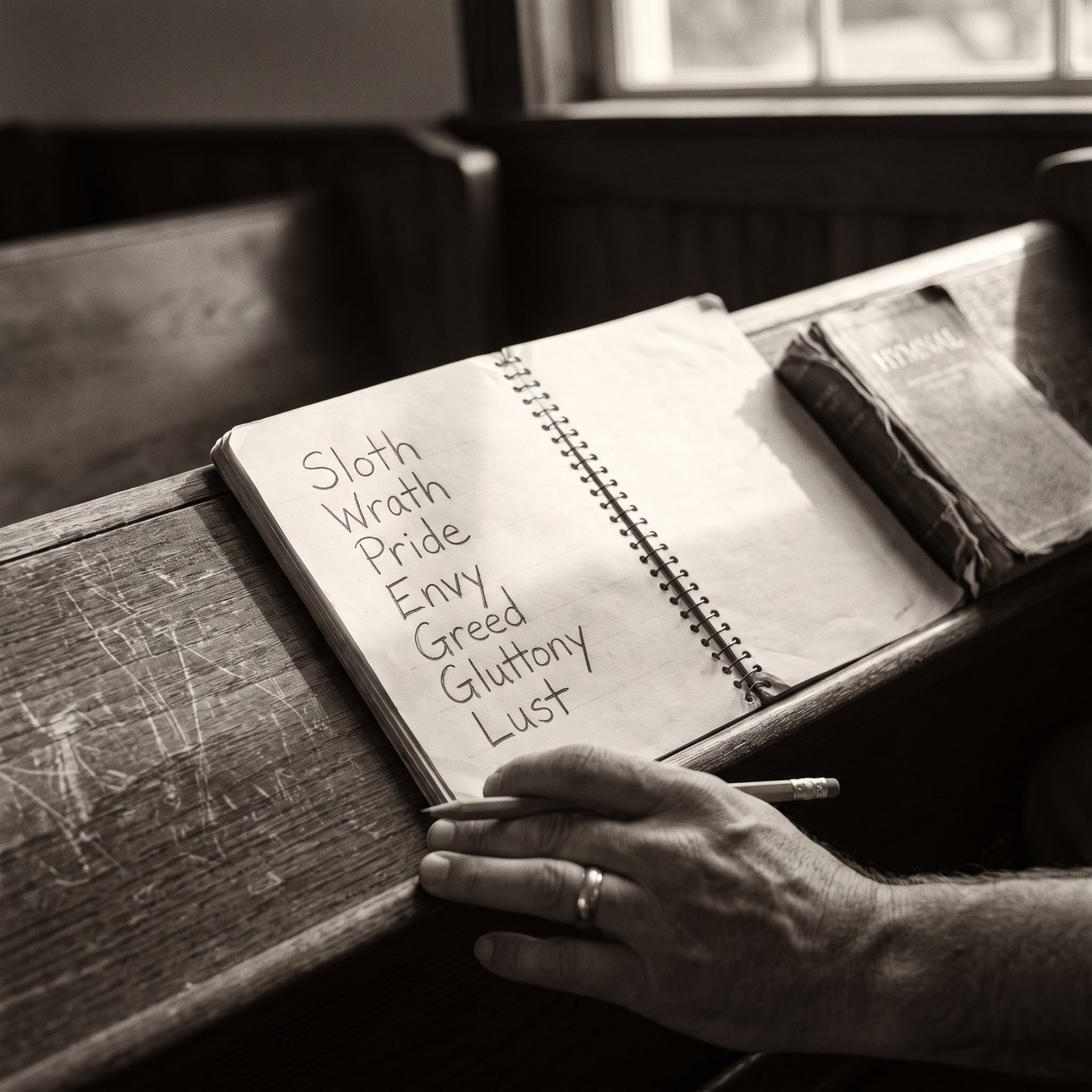
An open spiral notebook with seven words written in pencil, one per line

The notebook. Seven words. He still had it twenty years later.

III · Shift Roster

Four on the shift. Eight years. Nobody traded out.

The roster is listed as the band stood. A brother and a sister, a guitarist off the second shift, and the neighbor who owned the drum kit. The same four from the first riff to the last walk-off.

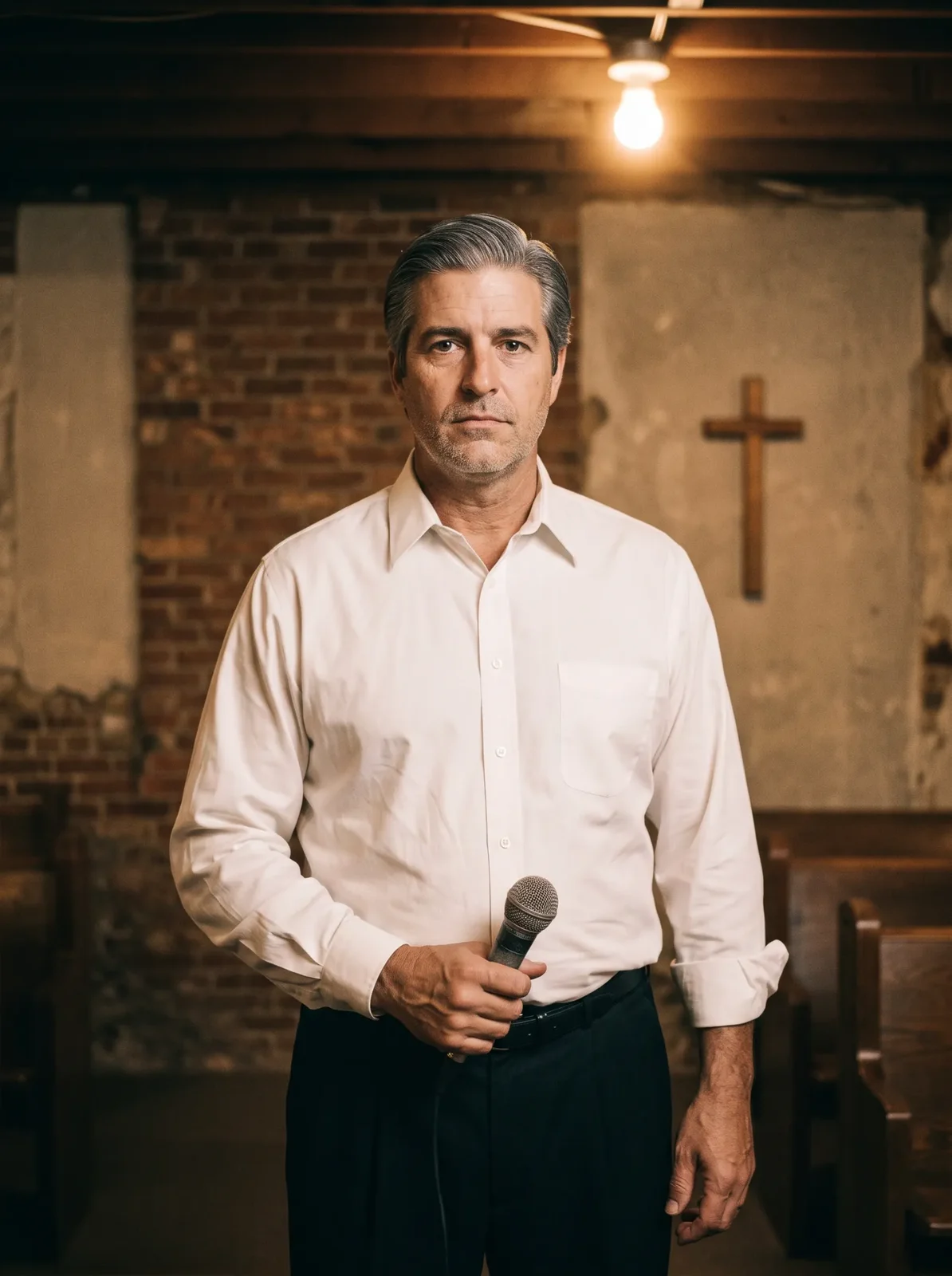
  1. Boyd Halvern, lead vocalsPhotographed 2019

    Badge 001 · 1993–2001

    Boyd Halvern

    Lead vocals · Called “Preacher”

    Present whereabouts. Runs a small barbecue smokehouse off Highway 11 in Bessemer. Still sings — mostly at funerals and on the porch. Says the band was the sermon he couldn't stop giving.

  2. Mercy Halvern, bassPhotographed 2019

    Badge 002 · 1993–2001

    Mercy Halvern

    Bass

    Present whereabouts. Retired nurse. Raises grandchildren in Trussville. Played bass to keep her brother from taking himself too seriously, which she considers a full-time job. Says she never refused to play one.

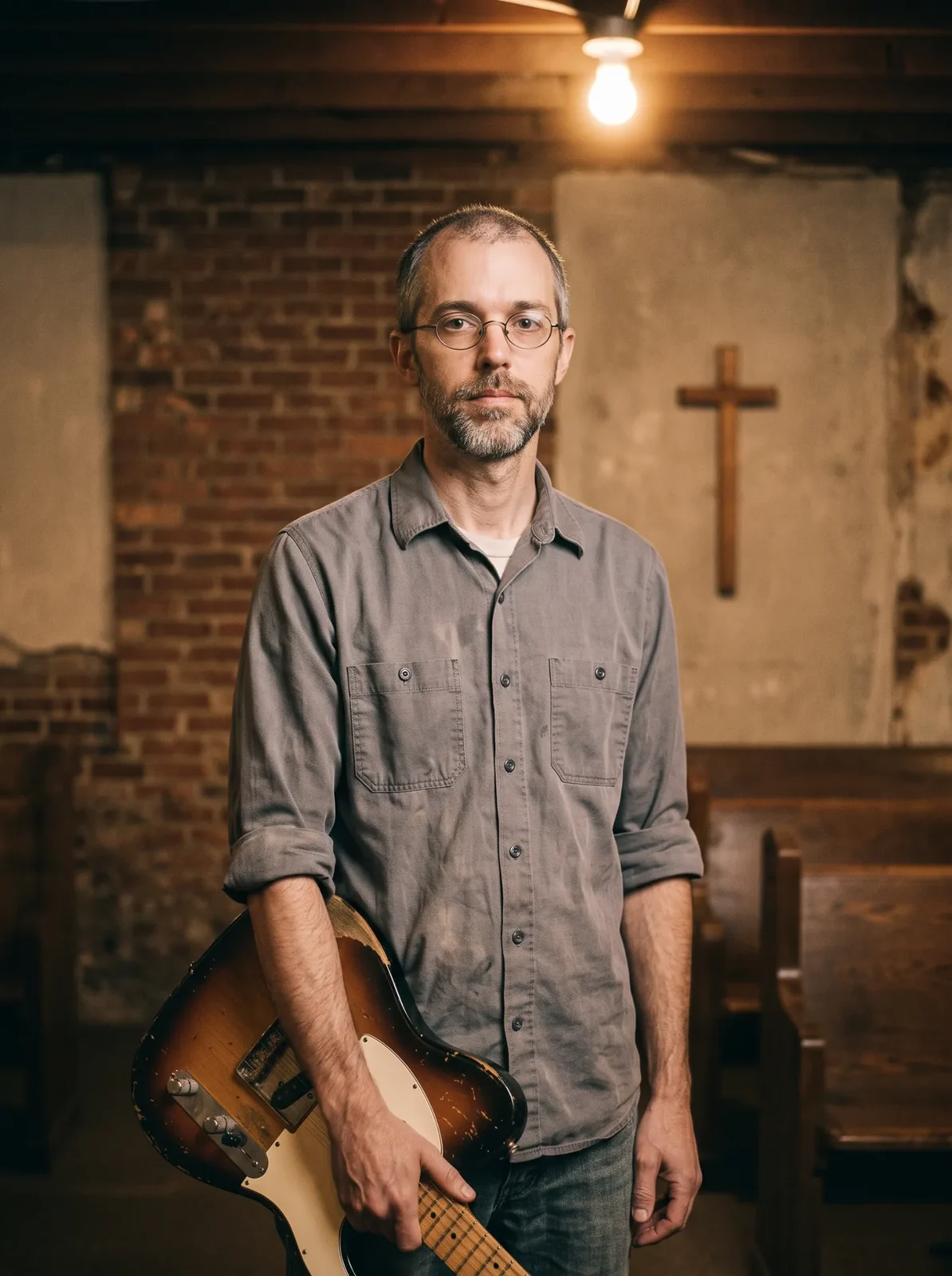
  3. Otis Whitworth, lead guitarPhotographed 2019

    Badge 003 · 1993–2001

    Otis Whitworth

    Lead guitar

    Present whereabouts. Teaches guitar and music theory at UAB. His father worked at Village Creek Works for thirty-one years, until it closed in 1988; Otis is careful not to say the mill closure is the reason he plays what he plays. It is the reason he plays what he plays.

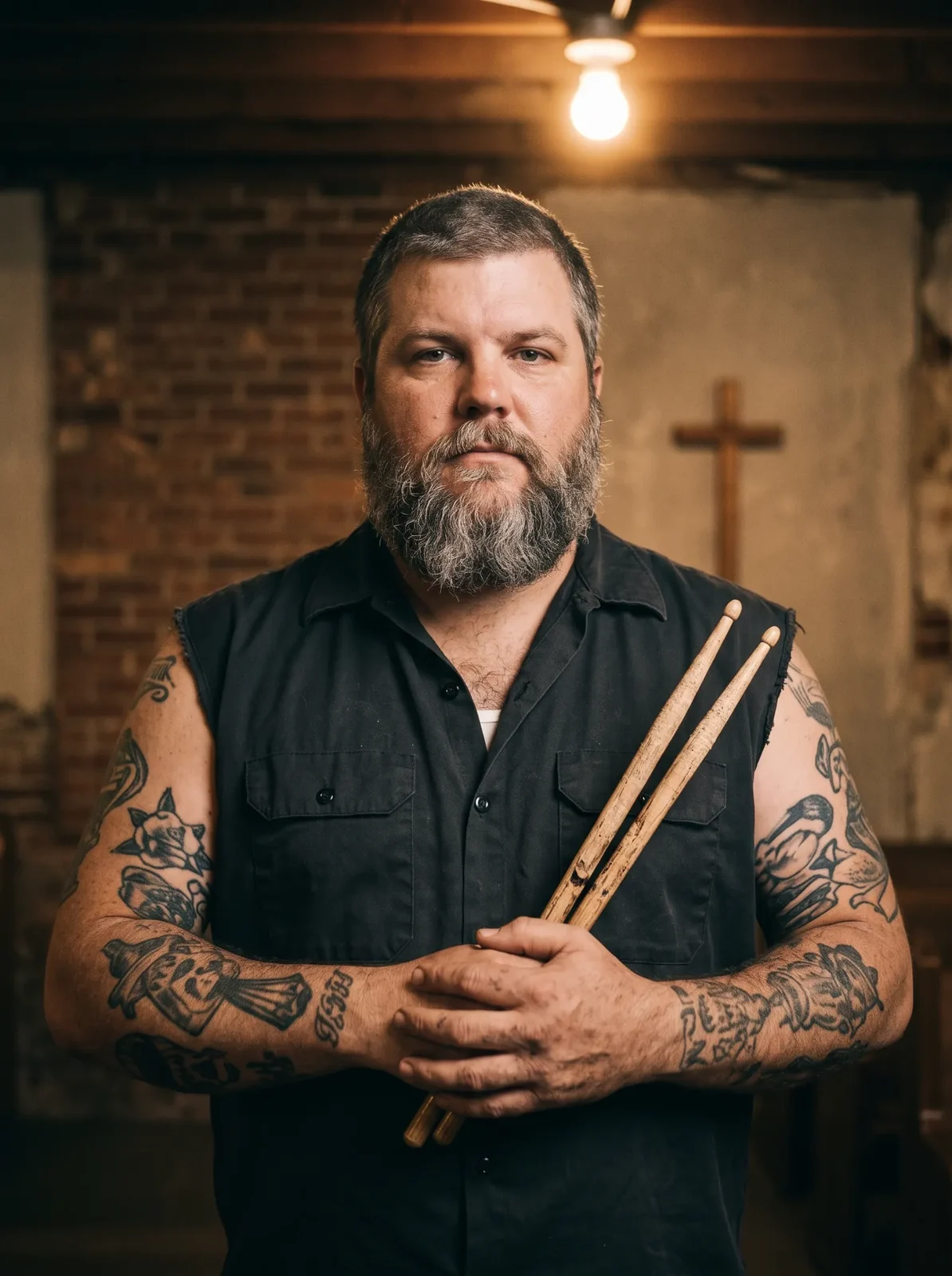
  4. Kellum Riordan, drumsPhotographed 2019

    Badge 004 · 1993–2001

    Kellum Riordan

    Drums · Called “Slag”

    Present whereabouts. Machinist. Still lives in Homewood. Has not touched a drum kit since October 2001; the kit is still in his garage. Says he does not need to play; the songs are where he left them.

The band rehearsing in a brick church basement under a bare bulb, a wooden cross and a hymn board reading 7, 6, 4 on the wall

The basement, 1996. Seven, six, four. The board was never changed.

Ninth Circle Records · Ensley, Birmingham · 1993–2001

IV · Readings

Three readings, in the order given.

Read without commentary. The congregation may be seated.

I. Ensley

Sloth and Sin began, according to Boyd Halvern, on a specific Wednesday in July 1993 in the parking lot of what used to be Village Creek Works — twenty-five acres of empty steel mill five years after the last shift. Boyd was not there for the mill; he was there because the parking lot was empty and quiet and shaded and he liked to work out songs by walking, in the afternoons before his night shift tending the pit at a barbecue joint in Bessemer. He was thirty. He had been out of his father's church for eight years and had watched the neighborhood he grew up in — Ensley, a working-class west-Birmingham neighborhood built around the mills — hollow out one house at a time in the years since.

He had, in a notebook he still owned twenty years later, seven single-word titles. Sloth. Wrath. Pride. Envy. Greed. Gluttony. Lust. Each one, in his own idiosyncratic reading, had grown up. The personal vice his father preached against on Sundays had become — Boyd argued, when pressed — a systemic vice. A vice becomes a system when enough of us agree to trade the harder thing we could do for the softer thing we get. That was the sentence around which the band would eventually form.

His older sister Mercy — a nurse, thirty-two, mother of two, patient — agreed to play bass over a Sunday supper. Boyd tacked a hand-lettered index card to the doorframe of an abandoned Sinclair auto shop off Bessemer Road: Guitarist wanted for slow band. No fast people. Otis Whitworth read it on his way home from the second shift, called from a payphone, and brought his neighbor Kellum Riordan, who owned a drum kit and worked eight-hour days operating a metal lathe. The four of them met in the back of the auto shop on a Wednesday. They played one riff for forty minutes. Nobody suggested changing it.

Here ends the reading.

II. The Seven Wages

Their debut, The Seven Wages (1994, Ninth Circle Records), followed the notebook exactly. Seven tracks. One per sin. Long, patient, crushingly slow, all in the same tuning — a low C-sharp Otis called "the coal seam." The songs were personal on the surface — the individual weight of the vice, felt from the inside — but the middle verses opened up. Each vice, in Boyd's telling, scaled: sloth became a policy the town voted for, wrath became an industry, pride became a city planning department, envy became a permanent political tactic, greed became the reason a mill closed, gluttony became a public budget, lust became the one vice no one was allowed to be plainly against.

The record was not reviewed in the mainstream press. Southern zines took to it — South of Mason-Dixon named it the doom record of the year — and it moved slowly and steadily on the strength of word of mouth and college radio at 2 AM. Ninth Circle Records printed two thousand copies and, over four years, sold them all.

Mercy did not, at first, agree with everything Boyd wrote. She thought "Envy" was too far. She played it anyway. She said, later, that she had been wrong about that specific song and would not name the year she came around.

Here ends the reading.

III. The Ninth Circle and the End

The second record, The Ninth Circle (1997), moved from the personal to the fully systemic. Six long tracks — all of them past six minutes, one past eighteen — set in and around the closed Village Creek Works, the emptied Ensley blocks, the Birmingham city offices Boyd could see from his brother-in-law's roof. Otis wrote most of the riffs for this one; the melodies got wearier and Kellum's drumming got sparser. The record ends on "The Ninth Circle" itself — eighteen minutes and forty-two seconds that end on one unresolved chord and one repeated line: the last vice left in a room full of the others is what's left of us.

From the first show in 1994 to the last in 2001, the band toured a rectangle bounded by Nashville, Atlanta, Jackson, and Little Rock, with occasional trips north to Louisville and Cincinnati. They did not play in Birmingham. Boyd insisted on this and would not give a reason.

Their last release, an EP called Sabbath Ended (2001), came out three weeks before September 11. Boyd said in the studio, on the day they finished tracking, that the message had gotten as many amps behind it as it needed. Four songs — the shortest and slowest they ever recorded. The band played its final show at a VFW in Anniston, Alabama, on October 13, 2001, walked off during "Sabbath Ended" without finishing it, and did not schedule another. Kellum Riordan has not played drums since.

Here ends the reading.
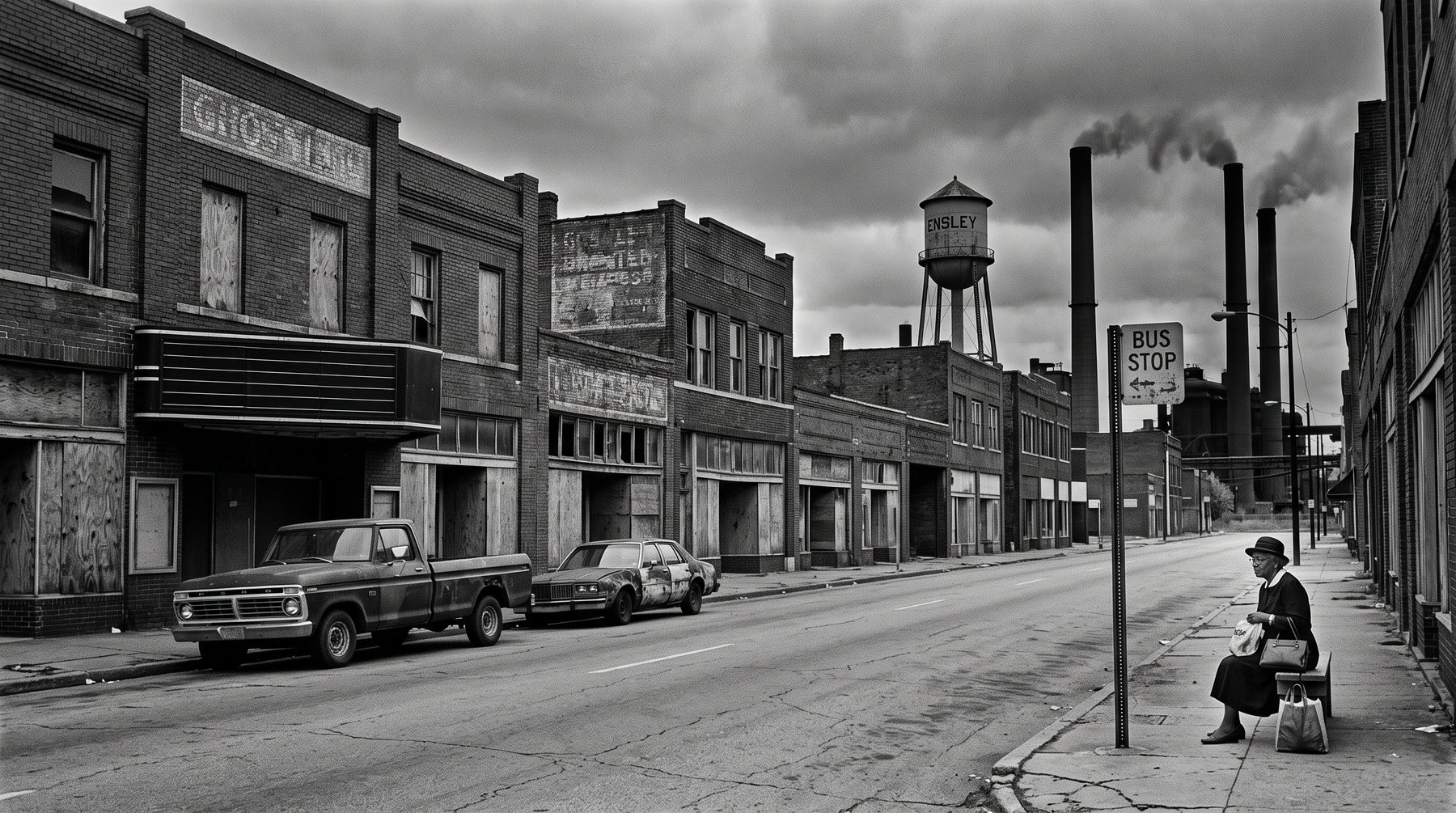
A row of emptied brick storefronts in a Birmingham steel neighborhood, mill stacks in the distance
Ensley. Emptied one house at a time.

V · The Wages

Three records. Seventeen songs. Paid out slow.

Each record is a gatefold. Open one to read the tracklist, the liner notes and the words the archive holds. A cross marks a song whose words are on file.

Ninth Circle RecordsThe Seven WagesSloth and Sin · 1994

Wage I · 7 songs · 43:55

The debut. Seven single-word titles, one per deadly sin, one tuning, one intention. The band said they would stop after this record. They did not, but they never denied that they had planned to. Reviewers who counted called it "long." Reviewers who listened called it "long, and about something."

  1. 1Sloth ✝4:40
  2. 2Wrath4:50
  3. 3Pride6:10
  4. 4Envy5:40
  5. 5Greed6:45
  6. 6Gluttony7:20
  7. 7Lust ✝8:30
Open the gatefold →
Ninth Circle RecordsThe Ninth CircleSloth and Sin · 1997

Wage II · 6 songs · 55:45

The centerpiece. Six long tracks that move the seven-sins argument from the personal to the systemic. The closing track is a single suite of eighteen minutes and forty-two seconds. Otis Whitworth is credited as co-writer for the first time. Ninth Circle Records printed four thousand copies, twice the first pressing. They sold in eighteen months. Nobody at the label claimed to be surprised.

  1. 1The Steel Mill Was a Chapel ✝7:30
  2. 2Ordinance6:15
  3. 3Bureau of Averages8:20
  4. 4The Managed Man ✝9:40
  5. 5Bread and Circus ✝5:18
  6. 6The Ninth Circle18:42
Open the gatefold →
Ninth Circle RecordsSabbath EndedSloth and Sin · 2001

Wage III · 4 songs · 27:20

The farewell EP. Four songs; the shortest and slowest they ever recorded. Released three weeks before September 11, 2001. The band played the songs live twice and then stopped forever. Boyd said in the studio that the message had gotten as many amps behind it as it needed.

  1. 1The Congregation Left ✝5:15
  2. 2Silo6:40
  3. 3Sabbath Ended7:20
  4. 4The Wages Are Paid ✝8:05
Open the gatefold →

17 songs · Running time 2:07:00 · ✝ Words on file

The Rectangle

They toured a rectangle. Birmingham was inside it.

Nashville, Atlanta, Jackson, Little Rock. Occasional trips north to Louisville and Cincinnati. They did not play in Birmingham. Boyd insisted. He would not give a reason.

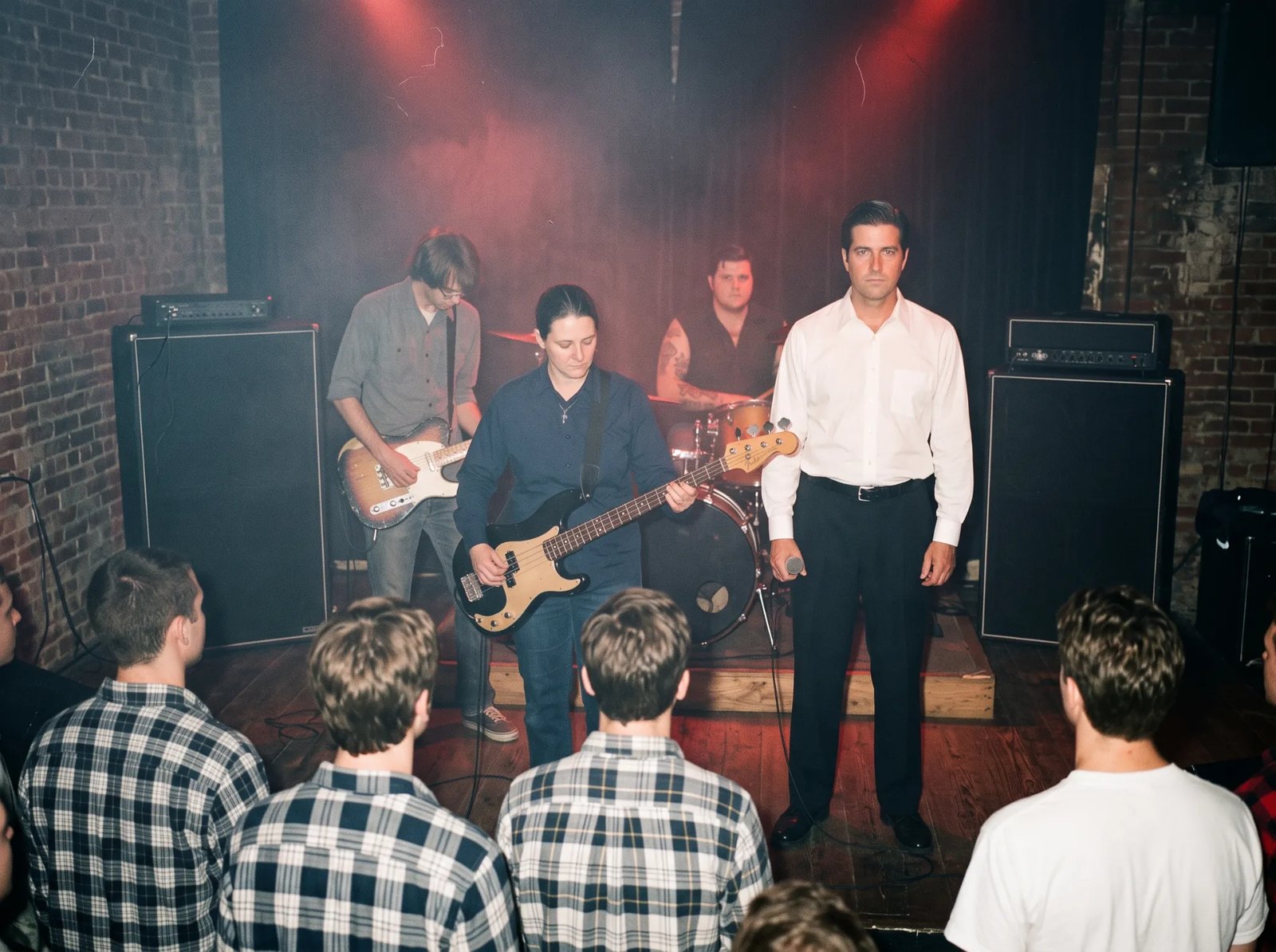
A woman bassist and a guitarist playing under a single red light on a low stage in a small Southern club

Somewhere inside the rectangle. Nobody in the room moved.

Little RockNashvilleAtlantaJacksonLouisvilleCincinnatiBirminghamNot playedAnnistonOct 13, 2001
  • Corner of the rectangle
  • Occasional trip north
  • Home. Not played.
  • Final show

VI · Testimony

Testimony, as given.

Letters and cards from listeners. Entered unedited. The band never answered them. The band was not asked to.

No. I

I worked at Village Creek Works for nineteen years. "The Steel Mill Was a Chapel" is the only song ever written that gets it right. My father worked there for thirty-one years before that. He would have hated the guitar tone and loved every word.

— Dennis M., Bessemer, ALReceived

No. II

Bought The Seven Wages at a truck stop outside Chattanooga in 1995 because the cover said "Wages" and I was going through something. Listened to it every day driving I-59 for two years. Boyd Halvern preached to me from a cassette. I got sober in 1997.

— Ricky T., Fort Payne, ALReceived

No. III

I'm a hospice chaplain. I play "Sloth" at deathbeds when the family asks for silence. Nobody has ever asked me to turn it off.

— Rev. Louise A., Anniston, ALReceived

No. IV

Not the Sabbath. Different. Slower. More afraid. I mean that as praise.

— Jerry K., Anniston, ALReceived

No. V

Saw them in Chattanooga in 1996. Nobody in the audience moved for two hours. Not because they didn't want to. Because they couldn't. I checked with three friends afterward. All three said they felt the same. I'm not making this up.

— Bethany R., Birmingham, ALReceived

No. VI

My preacher told me not to play Sloth and Sin in the house. I told him the band was more Christian than most of his sermons. He now attends my Bible study.

— anonymous, Ensley, ALReceived

No. VII

Southern doom done right is Southern doom that would rather you stayed alive. Sloth and Sin makes it clear they think you deserve better than what you're doing. That is a hard thing to put on a bass amp.

— Michael B., Nashville, TNReceived

VII · The circuit

Where the sermon was preached.

Twelve services on file, 1994–2001, inside the rectangle and twice north of it. None in Birmingham. Boyd would not give a reason.

  1. SaturdayJanuary 22, 1994

    A bar on the east side of Nashville, Tennessee

    First show

    Not in Birmingham. Played one riff for the first eleven minutes. Nobody left.

  2. SaturdaySeptember 17, 1994

    A club in Little Five Points, Atlanta, Georgia

    Release of The Seven Wages

    Seven songs, one per sin, in order. Boyd did not speak between them.

  3. SaturdayMarch 11, 1995

    A bar off Farish Street, Jackson, Mississippi

    Southwest corner of the rectangle

    Mercy drove. Kellum slept. The sermon started at eleven.

  4. SaturdayAugust 12, 1995

    A club in the River Market district, Little Rock, Arkansas

    Northwest corner

    Air conditioning failed. The tempo was not affected, as far as anyone could tell.

  5. SaturdayApril 20, 1996

    A bar on Bardstown Road, Louisville, Kentucky

    Trip north

    Played Envy. Mercy did not object.

  6. SaturdayNovember 16, 1996

    A club in Chattanooga, Tennessee

    Inside the rectangle

    Two hours from home. Boyd would not play closer.

  7. SaturdayJune 21, 1997

    A bar on the east side of Nashville, Tennessee

    Release of The Ninth Circle

    Played the eighteen-minute title track last. Some of the room sat down on the floor for it.

  8. SaturdayOctober 25, 1997

    A club in Over-the-Rhine, Cincinnati, Ohio

    Trip north

    Farthest north on file.

  9. SaturdayJuly 18, 1998

    A bar on Beale Street, Memphis, Tennessee

    Between the corners

    Asked by the house to speed up. Did not.

  10. SaturdayMay 15, 1999

    A club in Little Five Points, Atlanta, Georgia

    Same room as 1994

    Boyd preached three sentences before Wrath. The only time on record.

  11. SaturdaySeptember 9, 2000

    A bar in Huntsville, Alabama

    Inside the rectangle

    Ninety minutes from Ensley. Boyd would not say why that was far enough.

  12. SaturdayOctober 13, 2001

    VFW hall, Anniston, Alabama

    Final show

    Walked off during Sabbath Ended without finishing it. Did not schedule another.